Siri gets a serious upgrade
Imagine asking Siri for help and getting answers that feel actually thoughtful, with context that fits the moment—without surrendering your privacy. That’s the promise behind a Gemini powered Siri, Apple’s next-gen AI assistant. It isn’t just about faster replies or snappier jokes; it’s about smarter conversations that respect how you use your iPhone every day.
For a while now, rumors have circled around Apple’s plan to bring Gemini’s capabilities to Siri, the company’s long- standing digital helper. The broader tech world has watched as Apple confirmed details, including how the partnership with Gemini will work in practice. The headline isn’t merely “better Siri.” It’s about keeping your data where Apple controls it, even when a powerful AI is lending a hand.
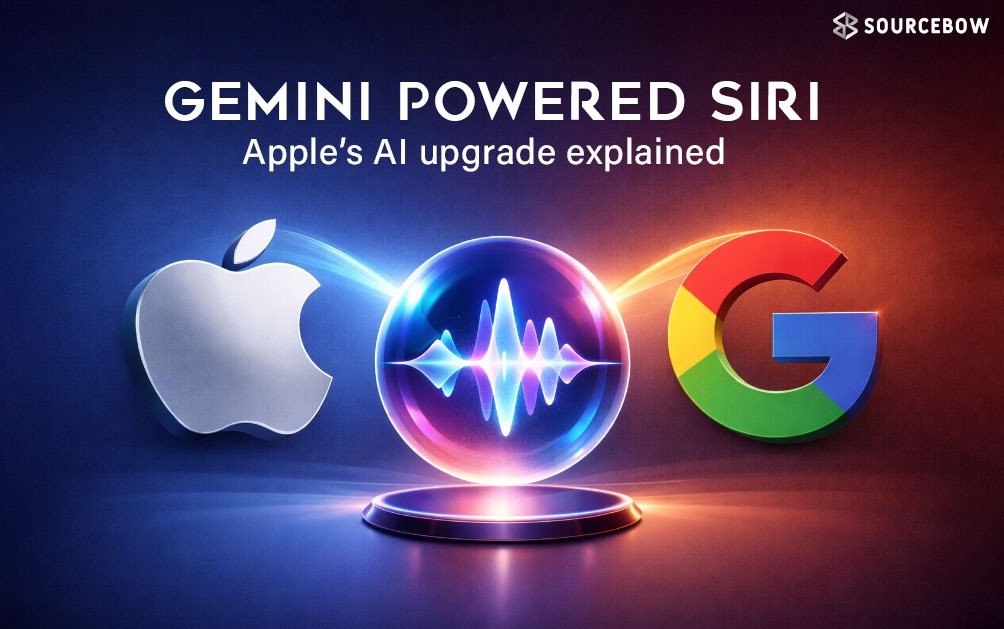
Gemini powered Siri explained
Gemini is a family of AI models from Google that Apple is tapping into to power the new Siri experience. The core idea is simple to say, but nuanced in practice: the real magic comes from a combination of on-device processing and a private cloud compute setup that Apple controls. In plain terms, your iPhone does a lot of the thinking locally, and the heavier lifting can happen in a private Apple-managed environment, not in some external service you don’t control.
That balance matters because it shapes what Siri can do and how private your interactions stay. The on-device elements mean you can ask follow-ups, request personal reminders, or get context-aware suggestions without the data leaving the device every time. The private cloud piece is there to handle more complex tasks that still need power, while Apple maintains guardrails on how data is used and stored.
Privacy first, even with Gemini
Privacy has always been a selling point for Apple, and the Gemini powered Siri strategy doubles down on that commitment. Apple has stated that the AI features won’t compromise user privacy or data control. Here’s the gist:
- All AI features can be processed on-device, with optional help from a private cloud compute setup.
- Apple maintains control over how data is handled, not Google.
- Even if Gemini powers the assistant, user data doesn’t automatically flow to external servers without explicit consent.
- Work on AI development continues in Apple’s ecosystem, not as a replacement for Siri overnight.
In practice, that means you could get more natural, context-aware replies while keeping sensitive information—like your calendar, messages, and location history—under Apple’s privacy umbrella. It’s not a magic shield, but it’s a deliberate attempt to marry advanced AI with the familiar privacy safeguards many iPhone users already trust.
Apple’s clear message on AI & privacy
During recent earnings discussions, Tim Cook and Kevan Parekh laid out the intent behind Gemini powered Siri. The message was clear: AI features will run with on-device processing as the foundation, backed by a private cloud compute framework. This approach gives Apple control over data handling and aligns with the company’s privacy-first philosophy. Importantly, the company emphasized that Gemini integration doesn’t mean an abrupt end to traditional Siri work or a full replacement in the near term. The journey is about layering smarter capabilities on top of a reliable, privacy conscious foundation.
In other words, Siri isn’t being swapped out overnight; it’s evolving. The Gemini integration is described as a way to deliver more capable conversations, smarter suggestions, and better follow-through on tasks—while still letting users decide what information stays on-device and what can be processed elsewhere, within Apple’s privacy framework.
How this could change daily life
Gemini-powered user-friendly Siri will now encourage you to utilize Siri daily as a helpful partner rather than a ‘robotic helper’ which makes the work of many devices easier to do. The following examples illustrate several ways in which the new Siri updates are expected to make your daily experiences better:
Context: With the new Siri updates, when you ask Siri for a reminder for a meeting, you may also be able to access other relevant information, such as possible related materials about the meeting.
Effective Multitasking: Using Siri for multiple tasks simultaneously will provide better suggestions for completing your tasks much faster. In many cases, Siri may be able to provide you with an appointment time for a phone call that takes into consideration any other appointments on your calendar, or recommend routes to your next meeting taking into consideration the time of day and the mode of transportation you prefer to use.
Search and Action Functions: Simply put, finding documents or pictures and executing certain actions, such as creating a draft message or creating and organizing documents, will be easier, and Siri will generally require less input from you.
Your Data is Your Data: As AI continues to get smarter, you will retain some control regarding how your data is collected and used to help enhance features or provide personalized responses for you. Ultimately, only time will tell if these features will deliver on their promises. The major benefits to most of us will be a simplified way to do things, an even better level of assistance from Siri, and simply the ability to use our devices without feeling as though there is someone (or something) watching us all of the time.
Comparing the old Siri with the Gemini version
To make sense of the upgrade, here’s a quick, at-a-glance comparison. The table below lays out how things shift when Gemini enters the mix.
| Aspect | Current Siri | Gemini powered Siri |
|---|---|---|
| Main processing | Primarily on-device with limited external processing | On-device plus private cloud compute for heavier tasks |
| Data handling | Apple controls data; some data may be used to improve features | Same privacy guardrails; emphasis on Apple-owned data handling |
| Response quality | Accurate but sometimes surface-level or context-limited | Smarter, more context-aware replies with richer follow-ups |
| Control and settings | Clear privacy toggles; standard Siri controls | Same controls, plus more fine-grained privacy options for AI features |
What this could mean for developers and the ecosystem
In addition to benefitting end users of Siri/ and the suite of voice assistant products available through other Apple platforms, the Gemini-driven Siri strategy represents a much larger picture: the introduction and proliferation of artificial intelligence-based features native to Apple’s ecosystems, developed to utilize and protect user information through privacy by default. Developers can expect closer integration of AI-enabled functionality and
operations with the iOS and iPadOS platforms; functionality that complies with all user permission and data boundary agreements.
Developers will likely focus on developing applications using on-device processing capabilities, allowing for the delivery of lighter weight and more responsive applications that don’t always require a round trip to the cloud. For end users, this means quicker response times, lower overall latency time, and fewer instances of privacy settings impeding the usefulness of Siri and other voice-based user interfaces.
Conclusion: a question to consider
As Gemini powered Siri lands on more devices, ask yourself: how important is AI’s ability to understand context, and how much privacy are you willing to trade for convenience? The answer may vary by task—planning a trip versus sending a quick text—and that nuance is precisely what Apple seems to be aiming for. A practical takeaway is to explore the privacy settings early, so the features you actually use align with your comfort level. Are you ready to see whether smarter, private AI changes the way you interact with your iPhone on a daily basis?