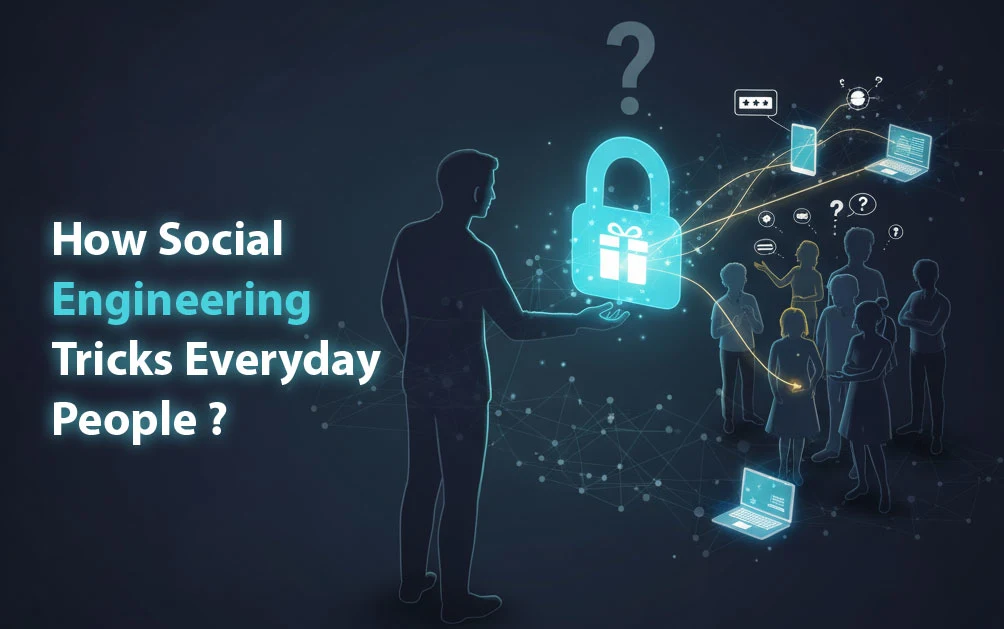
The Strange Way Cyber Criminals Slip Into Your Life Without You Noticing
Most people imagine cyber criminals as technical geniuses sitting in dark rooms, typing crazy lines of code until a firewall collapses. That image sticks because it feels dramatic. It feels like something out of a movie.
But honestly, that’s not how many digital attacks happen.
A lot of the time, no complicated hacking is even needed. No dramatic system breakdown. No visible break-in. The door just gets opened quietly. From the inside.
And that’s the part that feels uncomfortable. Because instead of attacking machines, many attackers go after people. Not the software,Not the hardware. Just normal human reactions.
Social Engineering Isn’t Always About Breaking Code
There are weak spots in technology, sure. Outdated software. Poor passwords. Systems that weren’t patched in time. Those gaps exist and criminals do use them. That hasn’t changed. But there’s another route that often works faster.
Instead of breaking encryption, attackers study behavior. How people respond when they’re scared. How they react when they’re excited. What happens when something feels urgent.
That approach has a name. Social engineering. It sounds technical. It’s really not. It’s manipulation dressed up as something ordinary.
Think about those pop-ups that shout, “You’ve won a brand new phone!” or “Your account will be suspended in 10 minutes!” They aren’t random internet noise. They’re built carefully to trigger a reaction.
- Click quickly.
- Hurry before time runs out.
- Act now without thinking.
And when someone does, that’s usually enough.
How Social Engineering Focuses on Hacking People Instead of Systems
Social engineering works because human behavior is predictable in certain situations. Fear pushes quick action. Excitement lowers caution. Curiosity overrides hesitation.
That’s not a flaw. It’s just how people operate.
Imagine receiving an email that looks like it’s from a bank. The logo seems right. The message says there was suspicious activity and immediate action is required. There’s a link to “secure” the account.
The heart rate jumps slightly. It feels urgent. Ignoring it feels risky. So the link gets clicked. But the website isn’t real. It only looks real. The login details typed in? Those go straight to the attacker. No system breach required. No technical wizardry. Just a moment of pressure and a normal reaction.
That’s what makes social engineering attacks uncomfortable. Nothing dramatic happens. It feels routine.
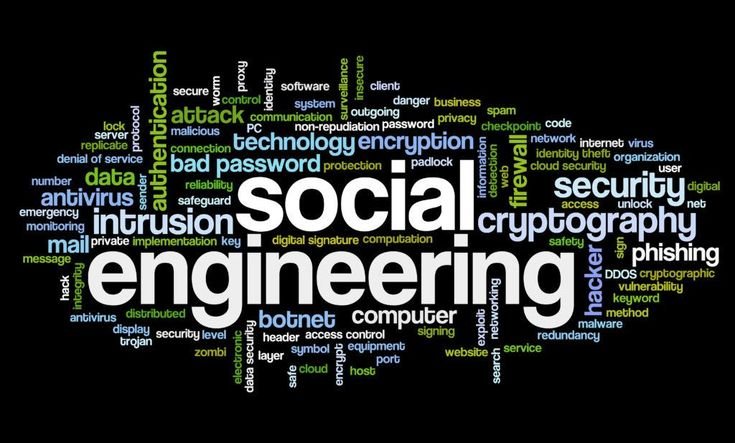
How Social Engineering Attacks Slowly Build Up
It’s rarely a single random message out of nowhere. Often there’s quiet research beforehand. Attackers might scan social media profiles. Look at job roles. Notice hobbies. See recent posts about travel, work changes, new purchases. Small details, but useful ones.
With that information, they craft a story that feels believable.
An email from what looks like a company supervisor. A message from a delivery service. A fake invoice that matches the type of work someone actually does. When the context feels familiar, defenses drop. Sometimes the conversation stretches out. A few back-and-forth messages. A small request first. Then a slightly bigger one. Trust builds slowly.
And once the person feels comfortable, that’s when access happens.
- A password shared.
- A file downloaded.
- A payment approved.
After that, the attacker disappears quietly. Damage might not show up until days later. Or weeks.
Common Social Engineering Methods That Keep Showing Up
Phishing is probably the most talked about method. Emails or texts designed to create urgency. Maybe it claims there’s a refund waiting. Or that an account will be locked. The design often mimics real companies closely. Colors match. Fonts look familiar. The differences are subtle. A slightly strange web address. A blurry logo. Small spelling mistakes. But those details are easy to miss when emotion kicks in.
Spear phishing takes it further. Instead of blasting thousands of random messages, it targets one specific individual. Usually someone with access to valuable data. Finance departments. Managers. Executives. Because it’s personal, it feels real.
Baiting leans on temptation. Free downloads. Discount coupons. Exclusive content. Click here and get something valuable. Except what’s downloaded may contain hidden malware.
Scareware flips the script completely. Sudden warnings that the computer is infected. Loud alerts. Flashing screens. A solution offered immediately — download this “security tool.” That tool is often the real threat.
Pretexting relies heavily on acting. The attacker pretends to be someone trustworthy. A bank official. Technical support. Even law enforcement. A bit of basic information might be confirmed first to build credibility. Then the sensitive questions begin.
| Method | Main Trigger | Typical Goal |
|---|---|---|
| Phishing | Urgency or fear | Steal login credentials |
| Spear phishing | Personalized trust | Access sensitive company data |
| Baiting | Curiosity or reward | Install malware |
| Scareware | Panic | Force fake security downloads |
| Pretexting | Authority and trust | Extract confidential information |
Different methods. Same foundation.
Human reaction.
Why Social Engineering Relies So Heavily on Urgency
Urgency is probably the strongest tool in these attacks. It shuts down slow thinking.
A message saying “respond within 24 hours” creates pressure. A warning about fraud makes the situation feel dangerous. That emotional spike shortens the decision window. And when thinking time shrinks, mistakes increase.
It’s interesting how often scams rely on speed. Fast clicks. Fast replies. Fast decisions. Rarely do they encourage taking time to verify. That alone says something. When a message demands immediate action, that’s often the first sign something might be off. Real institutions usually allow breathing room. Scammers rarely do.
Small Social Engineering Prevention Habits That Make a Big Difference
Staying safe doesn’t require deep technical knowledge. It’s more about slowing down reactions.
- Manually type official websites instead of clicking email links.
- Use multi-factor authentication for extra security layers.
- Avoid opening unexpected attachments from unknown senders.
- Search online to see if others are reporting the same message.
Using multi-factor authentication adds friction. Even if a password leaks, the extra verification step creates another barrier. Attackers prefer easy targets. And when something sounds too good to be true — free prizes, sudden refunds, unbelievable offers — it usually deserves skepticism. It’s not about becoming paranoid. Just aware.
The Psychology Behind Why Social Engineering Works
Social engineering works because it exploits normal behavior. That’s uncomfortable to acknowledge. No one likes to think they could fall for a scam. But under the right conditions — stress, distraction, urgency — almost anyone can. Long workdays. Too many notifications. Constant digital noise. It becomes harder to evaluate every message carefully. And attackers know that. They don’t need perfection. They just need one moment of inattention. That’s it.
Staying Calm in a Digital World Full of Social Engineering
The internet is full of alerts, updates, notifications. Everything feels urgent. That environment makes social engineering easier. The best defense often isn’t complex software. It’s calmness. Pause before clicking. Verify before sharing. Question sudden pressure. Trust that uneasy feeling when something doesn’t sit right. It sounds simple. Almost obvious. But in fast digital environments, simple habits matter more than expected.
Cyber criminals will keep adjusting tactics. Technology will keep evolving. New tricks will appear. That part probably won’t disappear anytime soon. But the core strategy behind social engineering attacks hasn’t really changed. It still depends on emotional reaction. And maybe that’s the strange irony of it all. The strongest defense isn’t a firewall or encryption layer. It’s a small pause. A second thought. A willingness to double-check. Not dramatic. Not technical. Just steady awareness carried into everyday online life. And maybe that’s enough.