If you’ve ever tried chasing a complex project through a sea of code and notes, you know how much it helps to have a partner that can remember a lot of it for a long time. Claude Opus 4.6 from Anthropic isn’t a magic wand, but it’s built to handle bigger chunks of context and tougher tasks without losing track. The new model pushes the boundaries of what an AI assistant can do when the job requires sustained reasoning, deep searches, and careful decision making—especially in software engineering and data-heavy work.
Here’s the thing to remember: Opus 4.6 isn’t just a faster code helper. It’s designed to keep context intact across long sessions, manage data-heavy tasks, and still stay mindful of safety and accuracy. If Opus 4.5 handled advanced reasoning well but stumbled on very long conversations or sprawling codebases, 4.6 aims to fix that gap—without sacrificing the practical, everyday usefulness that engineers and knowledge workers rely on.
What makes Claude Opus 4.6 different
Think of Opus 4.6 as a smarter teammate that can juggle more information while staying focused on the task at hand. A few big ideas stand out:
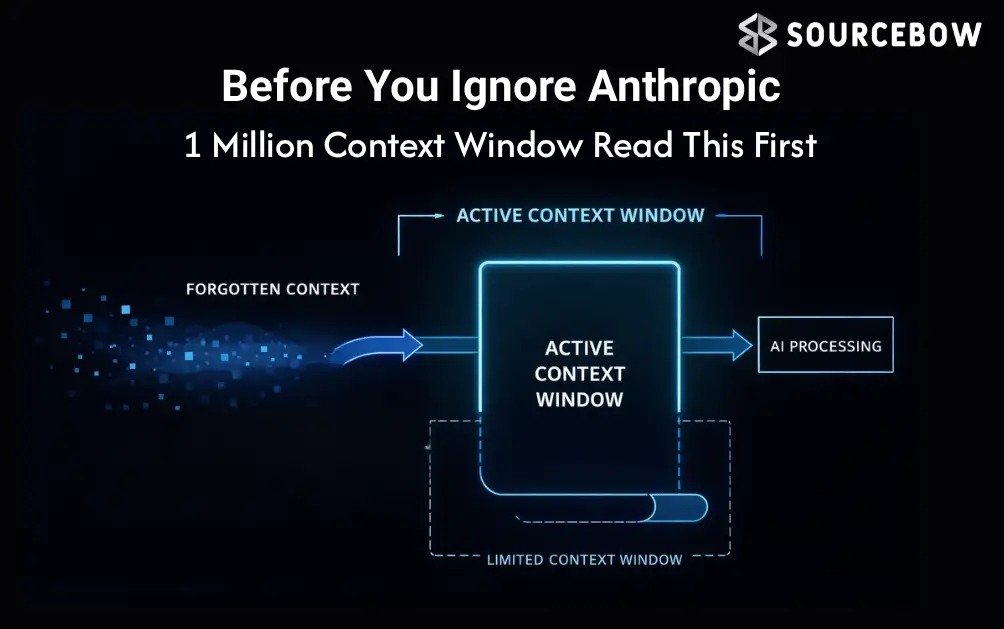
- Massive context window A beta version supports up to one million tokens of context, allowing it to process vast swaths of information without significant slowdowns during long tasks.
- Context compaction A smarter way to refresh and summarize older data so the model can keep working on the present problem without getting bogged down by everything it already saw.
- Adaptive thinking The model evaluates query complexity and allocates deeper reasoning when it’s really needed, saving time on simpler prompts.
- Effort controls Options from low to max let teams tune speed, intelligence, and cost, depending on what the task requires.
On paper, those aren’t flashy features. In practice, they mean less context-shuffling, fewer edge-case misses, and more reliable results across long, multi-step workflows. The idea is to keep the model honest and helpful when the task stretches over hundreds of thousands of tokens—like combing through a large codebase, an enterprise knowledge base, or a multi-part research report.
| Feature | Opus 4.6 | Opus 4.5 |
|---|---|---|
| Context window | Up to 1,000,000 tokens | Up to 200,000 tokens |
| Context compaction | Yes, dynamic refresh | No |
| Adaptive thinking | Yes | Limited |
| Effort controls | Low to max | Not offered |
Safety first and guardrails stay central. Opus 4.6 is designed to match or exceed peers on safety audits, with lower tendencies to refuse or mislead, and fewer hints of overconfidence. Added cybersecurity probes help detect misuse scenarios faster, pushing defensive capabilities forward in open-source contexts and routine business work alike.
In practice, these safety improvements translate to more reliable code reviews, safer data handling, and fewer unexpected refusals when encountering tricky prompts. It’s not about replacing professional judgment, but about giving teams a sturdy tool that can scale alongside ambitious projects.
Real-world uses that matter
Opus 4.6 steps into roles that used to require a small army of humans. It handles large repositories autonomously, conducts code reviews, and can even debug with notable precision. A collaboration with Claude Code opens up opportunities to assemble agent teams for parallel development and coordinated progress. On the business side, tasks like financial analysis, document generation, and multi-step searches in tools (think Claude in Excel) get a lot smoother, especially when facing unstructured data or long-running tasks.
Beyond coding and business analytics, a research preview extends to presentations with Claude in PowerPoint. In computational biology, Opus 4.6 shows nearly double the performance of Opus 4.5, helping researchers move from data collection to insight faster. For teams, that means fewer bottlenecks and more confident iteration on ideas that matter.
A quick look at the numbers you can feel
The improvements aren’t just about more tokens. They translate into tangible gains across multiple domains: better terminal-like command proficiency, broader multidisciplinary reasoning, and stronger performance in finance and legal scenarios. The model’s internal benchmarks reflect faster, more accurate problem solving during long, multi-step tasks.
What this means for teams and everyday workflows
For developers, Opus 4.6 can speed up setup phases and reduce back-and-forth when exploring large codebases. For analysts and knowledge workers, the ability to run multi-step searches in tools and to generate documents with high fidelity brings real productivity gains. The emphasis on safety and governance also means fewer surprises when operating in regulated environments or handling sensitive data. In short, the model is built to be a reliable partner across the kinds of tasks that blend thinking with practical action.
Bottom line and a gentle nudge to try it
Claude Opus 4.6 isn’t a flashy upgrade for the sake of glitz. It’s a thoughtful upgrade aimed at real-world workloads that demand consistency, scale, and safety. The million-token context window alone can change how projects are planned, especially when the work involves sprawling data or long-running development tasks. For teams exploring AI-assisted workflows, it represents a meaningful shift toward more capable, dependable automation that still invites human judgment where it matters.
If this kind of tool matters, what would be the first long task to test it on? A massive codebase, a complex data analysis, or a full-blown presentation deck that pulls from scattered sources? The best next steps involve a small pilot: pick a real, painful workflow, measure time saved, and watch how the model handles context over time. It’s not about chasing perfection, but about uncovering the everyday benefits of smarter, safer AI in daily work.
So, what stands out the most about Claude Opus 4.6? A much larger memory of your work, smarter handling of multi-step tasks, and a deliberate focus on safety that helps keep tools useful rather than risky. For teams that deal with complexity, that combination is not just convenient—it can redefine how quickly ideas move from notes to action.